

- 132 Views
- 12 Min Read
- (0) Comment
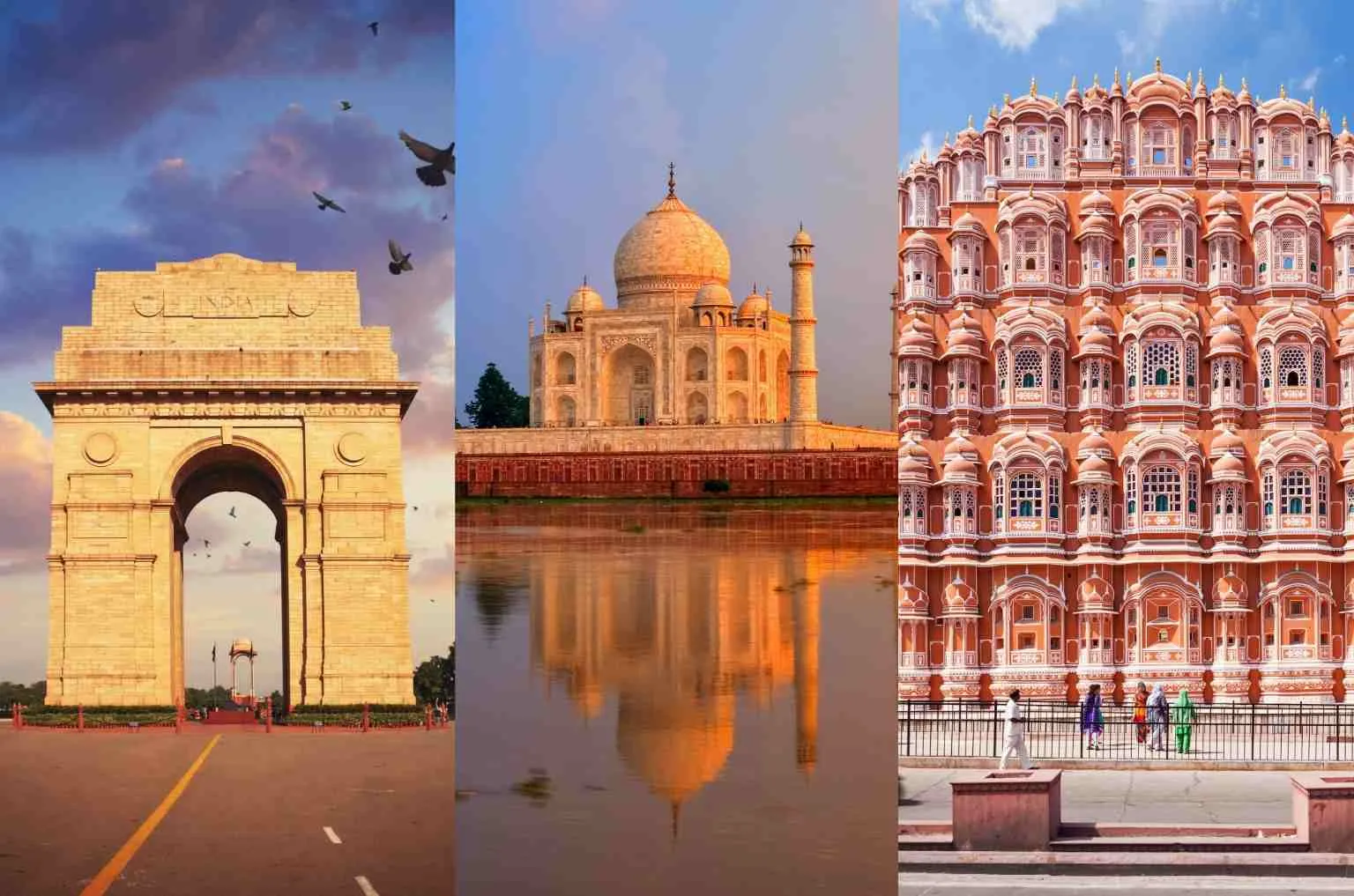
A journey through the Golden Triangle of India, Delhi, Agra, and Jaipur, is one of the most intriguing things that a traveler can engage in. The path is a colorful mosaic of history, architecture, and culture that gives an idea of the very soul of the country. This circuit is a perfect blend of traditional magic and contemporary energy for foreign tourists. India Wonderland reserves nothing to prepare when you book one of the well-designed Golden Triangle Tour Packages. Being able to know just what to bring and where to go will mean that you will experience wonder instead of worrying. This is the list of the Golden Triangle travel essentials you need: clothes and tips to stay healthy, some cultural manners, and of course, technology, so that your trip in the iconic triangle of India should be easy and unforgettable.
Planning Ahead For A Seamless Adventure
Going around the Golden Triangle of India is not as much about relocation between cities as it is about centuries of traditions and various weather! The rhythm of each of the stops is different: the vibrancy of Delhi, the calm majesty of the Taj Mahal in Agra, and the royal color of the palaces in Jaipur. By scheduling ahead, you settle into every new change of place and anticipation. The essentials of right travelling make the day-long sightseeing tours light and easy, as well as the cultural experience more fulfilling. You will regret it later because of clever packing and sensible decisions.
The climate, means of transportation, and local culture are vastly different in the triangle. The mornings in Delhi can be cool, the afternoons in Agra can be warm, and the nights in Jaipur can be breezy. The inhalability of the dresses, systemized root lifting, and light traveling bags will leave you flexible for one of the three destinations. The preparation is the unseen factor that would make a tour not only enjoyable but outstanding.
Luggage Choices: Light, Compact, And Practical
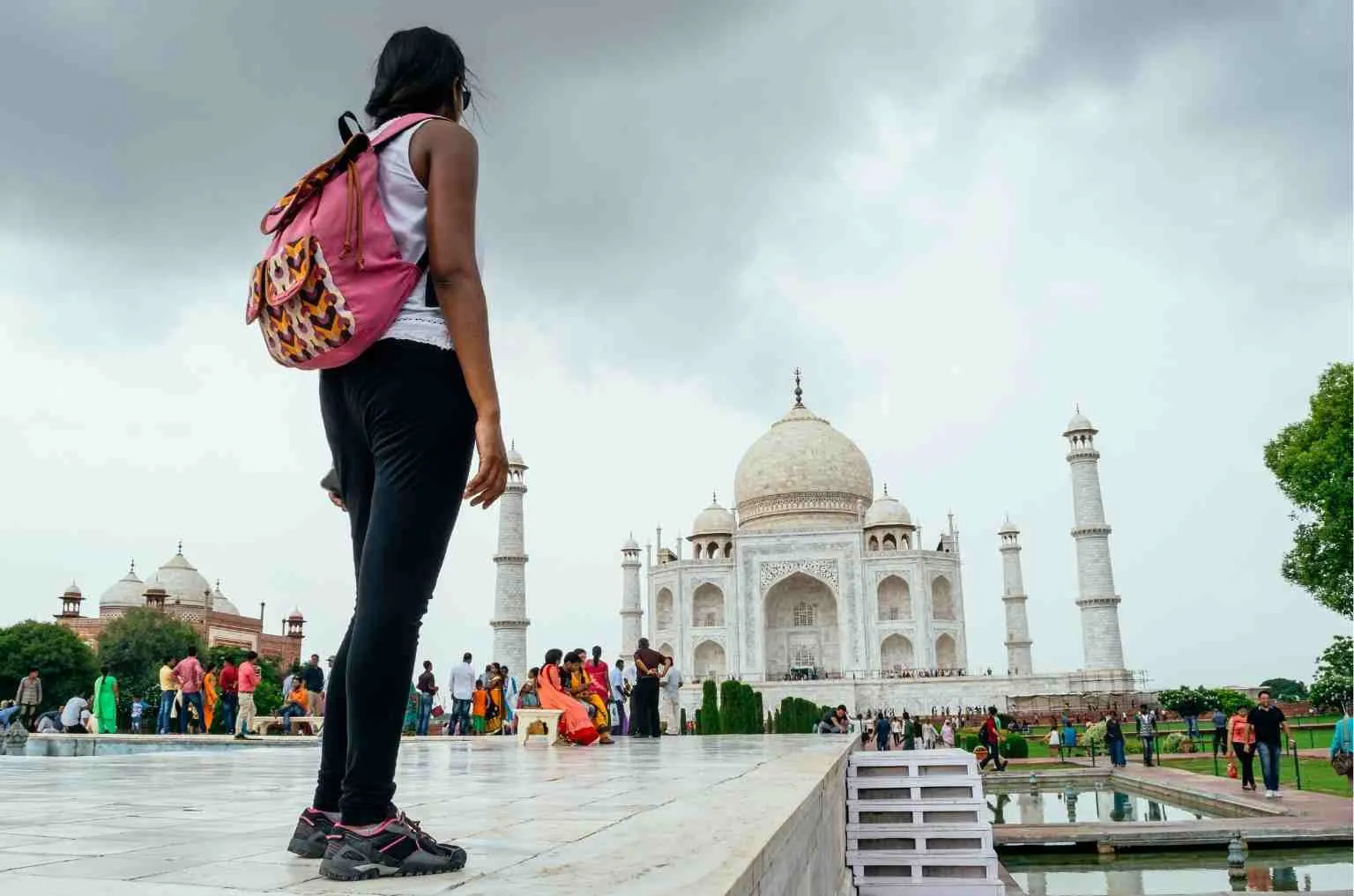
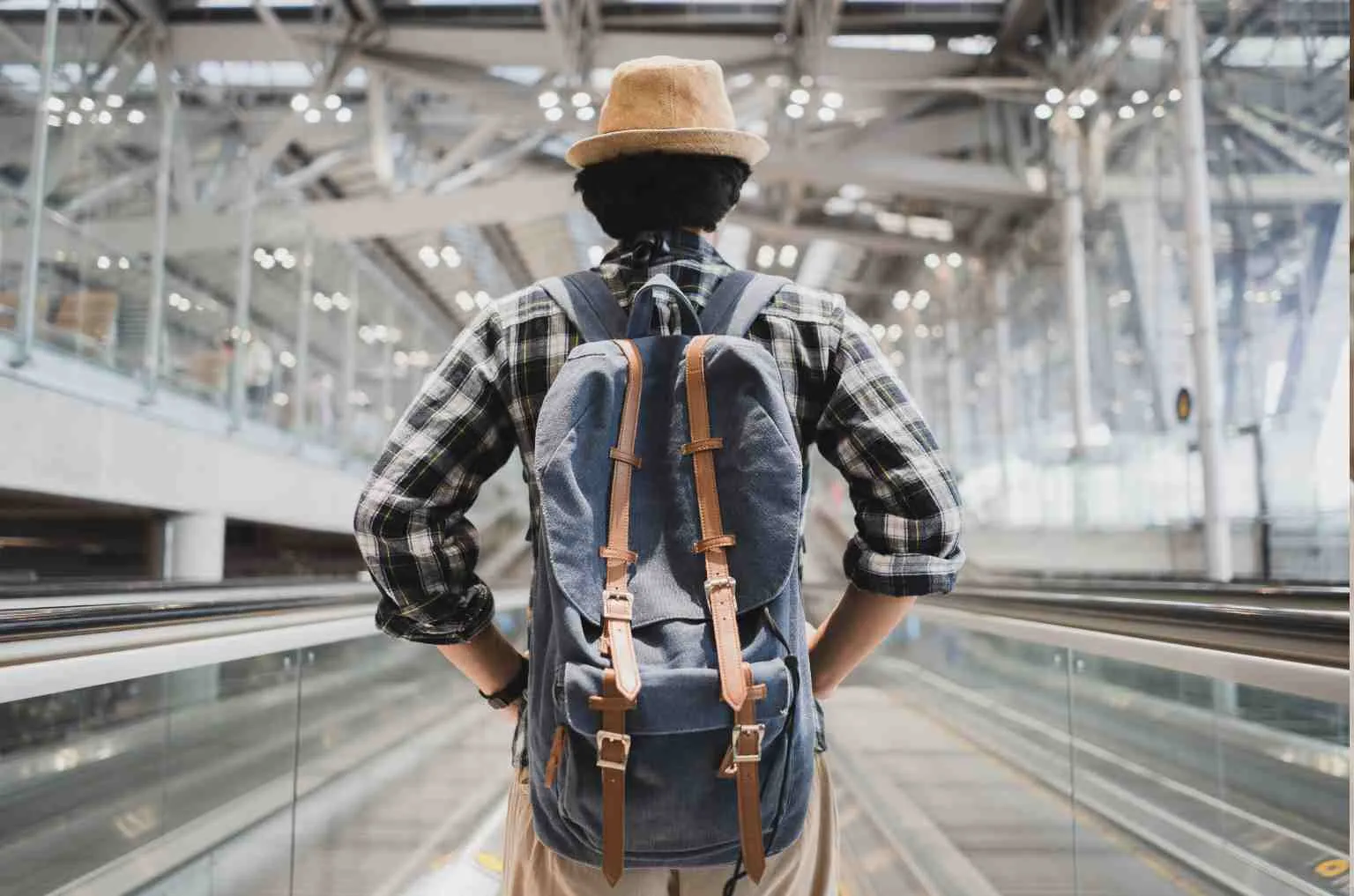
Your luggage will determine the level of ease with which your journey proceeds. Golden Triangle tours in India involve changing hotels and day trips, so mobility is very important. Get a medium-sized suitcase or a rugged traveling backpack that is easy to drag over narrow stairs or crowded railway stations. Older hotels and urban areas tend to have elevators that do not operate or even large walkways; thus, portability will save time and effort.
Your main bag would have a smaller day bag or cross-body bag that you can carry with you on day-to-day activities. It must also be big enough to fit a water bottle, sunscreen, a camera, documents, and personal stuff, yet small enough to carry around in crowded markets. Use a waterproof cloth, and they should have zippers all over the bag; it will survive even city dust and the royal palace.
Weightless packing cubes can assist you in ordering clothes and accessories, and keep the luggage in order. Traveling a lot, being time-wasters, we keep order and save time by checking out of hotels and moving around.
Clothing: Comfort Meets Cultural Respect

The climate in India requires dress codes and breathable fabrics. Locals are colorful, but rules in dressing favor conservative outfits—particularly in temples and other historical places. Wear light and lightweight clothes, either cotton or linen, to keep cool and comfortable. The long skirts, trousers, or light pants combined with shirts or tunics that cover the shoulders are the right balance between comfort and respect.
Scarves or shawls are versatile companions: they protect against dust and sun, serve as modesty covers in temples, and even act as light wraps during chilly mornings. In Rajasthan, one can never do without sunglasses, hats, and sunscreen.
In the case of shoes, comfort is better than style. You will go to a lot of marble courtyards, to the steps of the fort, and to the busy markets. It should be lightweight sneakers or heavyweight walking sandals. Provided that many sacred places demand you take off your shoes, easy-to-take-off ones will save you time.
During the time of the year (October to March), a light jacket or sweater will also be a good idea in case of a colder morning or evening. In summer, wear light clothing; however, air-conditioned interiors may be cool, so a thin layer can work wonders.
Essential Documents And Money Matters

There is no way a vacation can be ruined more than by losing papers or dwindling cards. Prior to travel, make sure you have a valid passport for at least 6 months and a printed Indian visa, usually in electronic form, kept in a safe place. Do not carry your digital and physical copies of your passport, visa, travel insurance, and itinerary in the same place. Encrypted drives or cloud backups are a bonus.
Bring local currency (Indian Rupees) for some of the smaller transactions, as most local vendors and drivers accept only cash. Major hotels and restaurants likely accept cards; however, connection problems may emerge, particularly in smaller towns. Avoid blocks in transactions by informing your bank about overseas travel.
Your valuables will be safe when you are touring in a slim money belt or neck pouch. Stored emergency cash pays are different from the main wallet; use digital payment applications only on proven services. Most experienced tourists will also suggest splitting money and cards and putting them in various bags to avoid any harm.
Travel insurance—it is something you need, because you are insured against unexpected problems, such as sickness, lost luggage, or time loss. Independent readiness is a guarantee of peace of mind, even in the guided tour.
Health And Hygiene: Staying Fit On The Go
Climates, cuisines, and urban settings all differ in the Golden Triangle; therefore, make sure that your health kit is as flexible as your schedule. You are ready with a small travel first-aid kit containing basic drugs: painkillers, antihistamines, rehydration salts, and motion sickness pills. Antiseptic wipes, insect repellent, and sunscreen are also essential.
The quality of water is different in different places; hence, whenever we are thirsty, we should use bottled or filtered water. Better still, there is a reusable water bottle that has a purification system. Long days out do not survive without hand sanitizers and tissues, because the social amenities might not necessarily be Western-standard.
Unless you are entirely insensitive to variations in diet, carry probiotics/mild stomach relief pills. Indian food is delicious and may be spicy/oily to new people. Eat fresh and at good restaurants, and take the food suggestions of your guide.
Cultural Awareness And Local Etiquette
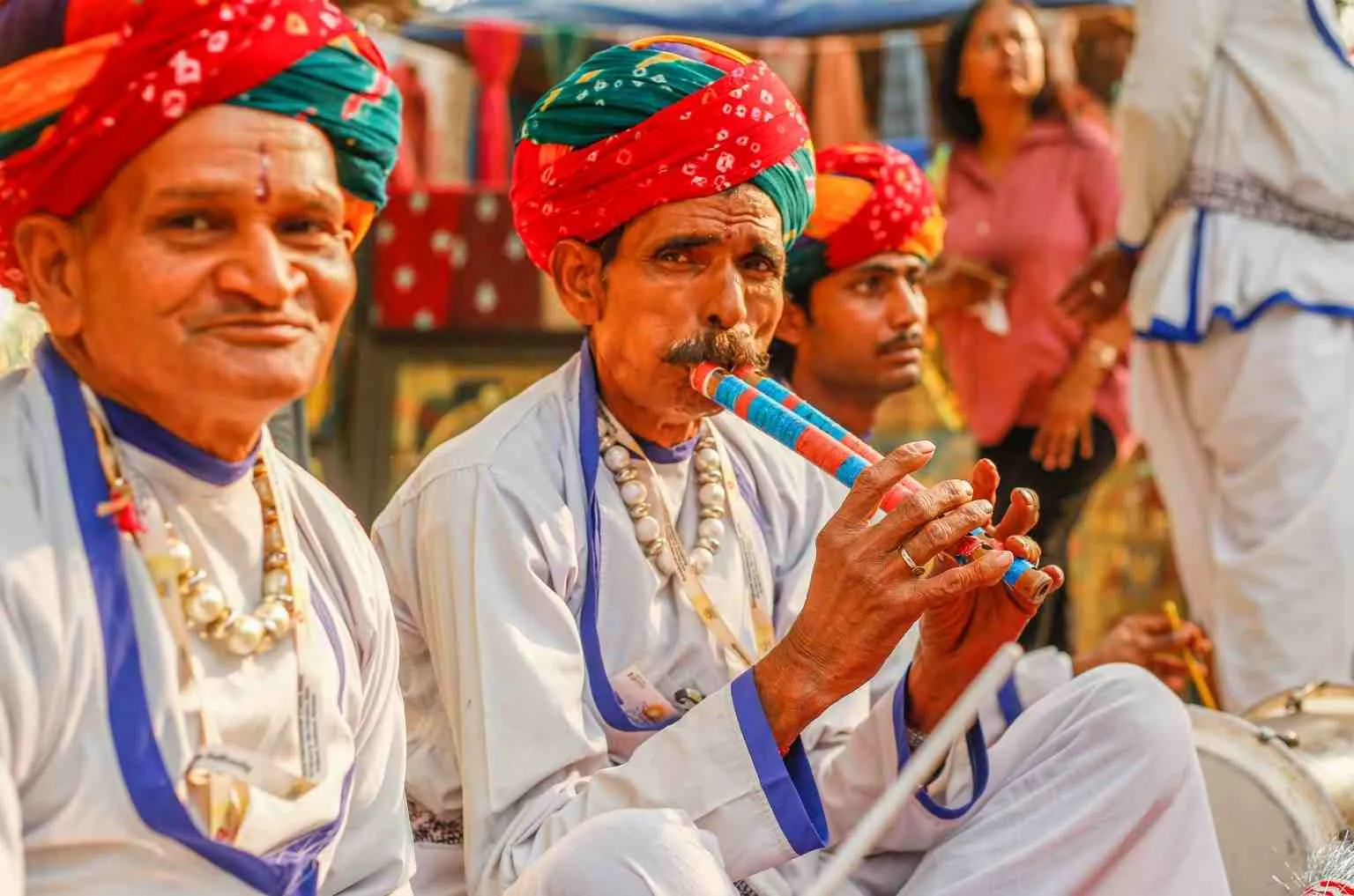
Traveling expenses are enhanced by respect for your host. India is a multicultural country, and all the regions have their cultural pace. One type of respect is clothing; another one is the way you interact. Ask permission to take photographs of people, especially at a religious place or a rural region.
Take off your shoes and cover your head and shoulders when visiting temples, mosques, or gurudwaras. Demonstrations of passion are to be avoided in the open, and they can be criticized in some environments. It helps a lot to welcome locals warmly with a polite Namaste—it is a sign of cultural appreciation and friendliness.
The markets in Jaipur or Chandni Chowk, Delhi, are competitive through negotiation; however, friendly haggling is an art. Make it very amiable and easygoing. There is no need to bargain, and it might taint the experience. It should be remembered that the Golden Triangle is not merely about monuments; it is also about people, tales, and simple moments that make India what it is.
Seasonal Packing Considerations
The Golden Triangle of India has varying weather patterns. This is best seen during October to March, when the weather is cooler and when sightseeing is best enjoyed. Pack light sweaters, full-sleeved shirts, and closed shoes as items to be packed during these months in case of chilly mornings.
April through June are hot seasons—light cottons, breathable shirts, and sun protection are in demand. During the monsoon (July to September), it is hot and wet, except for downpours in Delhi and Agra. An umbrella, poncho, or folded-up rain jacket is convenient. Your friends during this period are quick-drying clothes.
Whatever the season, ensure that you keep a check on the weight of your luggage. Internal transfers, short flights, or train rides tend to have a limited storage area. Wise travelers use the half-the-clothes, double-the-money rule—by bringing less, they can buy souvenirs and have room.
Hidden Essentials You’ll Be Glad You Brought
One has a few overlooked travelling companions that tend to be invaluable. An example of this is a scarf or sarong that doubles up as a blanket, picnic mat, or emergency bag wrap. Extra socks are very nice after long walks when shoes need to be taken off frequently.
Local coins are in a small pouch, handy to tip drivers or guides, which is an Indian customary and fond gesture. The finds of the market or the souvenirs can be placed in a foldable duffel or in a reusable shopping bag. Few things are resistant to Jaipur textile bazaars, Delhi handicraft emporiums, and Agra marble workshops; therefore, note down luggage space.
Laundry detergent in a travel size will allow you to do laundry during the trip. Ziploc bags keep clean and dirty clothes separate, or keep electronic equipment dust-free. These little items you neglect at times make you clean and cozy on the trip.
Daily Essentials For On-Tour Comfort
Each day of sightseeing in the Golden Triangle requires early mornings and visiting numerous sights. Always take your daypack with you; always include sunscreen, a refillable water bottle, sanitizer, tissues, sunglasses, and snacks. When you are going to see the Taj Mahal at sunrise, you have to bring a light jacket and a camera lens cloth; the mists in the morning are really thick.
A power bank will keep your gadgets alive when you are on a long journey. Have a hard copy of your itinerary, should you have battery failure. Earplugs or headphones will allow you to sleep on the coach ride, and a notebook or digital journal will allow you to get impressions down before they are forgotten.
Hydration is especially crucial; the mixture of heat, walking, and excitement may be dehydrating. The thing is that you have to drink, even in case you are not thirsty. You can always be energized and pay attention to the beauty around you with proper planning.
Shopping And Souvenir Tips

The Golden Triangle shopping experience is in itself. The gemstones of Jaipur, the embroidered fabrics of Delhi, the marble inlay of Agra, etc.—each city is art with its historical background. It would be a good idea to leave some more space for the luggage.
Visit well-known stores that your tour guide or travel company has suggested. Whereas local marketplaces are alluring, quality and authenticity differ. Never buy something without questioning its quality, and when sending something bulky home, make sure that the delivery information is checked.
Put the souvenir pack in soft clothing to ensure that they are not spoiled during transportation. Vacuum bags or protective covers can be used in case you are transporting spices or fragile commodities.
Practical Mindset For A Rewarding Trip
Your attitude is your best piece of luggage, even more than the physical one. The Golden Triangle in India is packed to the brim with surprises, color, and intensity. Accept the opposites—old and new, silent and noisy, luxury and simplicity. Be patient and inquisitive, and you will see beauty where you had not imagined it before.
You should expect inconveniences that may take place in the form of traffic or a change of weather, but you should not allow this to ruin the experience. Packing light and carrying more with you makes life easy and allows you to be flexible and end up with stories to be shared again.
Every destination will be the other face of India: the imperial history of Delhi, the everlasting love of Agra, or the royal luxury of Jaipur. The two of them make an unforgettable journey.
Pack Smart, Travel Deeper
The Golden Triangle is not just some way but a discovery of the Indian soul. You will experience its beat and its culture by planning what you can carry and having a conscious trip. The Golden Triangle travel essentials are not merely about garments or accessories; it is about the things that help you explore the region easily, in a decent manner, and with every detail that may arise about the region.
Through a carefully crafted Golden Triangle tour package at India Wonderland, all the logistics will be taken care of, and you will be involved in the colors, sounds, and stories of this ancient land. Wake up to sunrise views over the Taj Mahal, join the throng of the Delhi markets, use your wits, and discover India.
👉 Also Read: Golden Triangle Ranthambore Tour Packages: A Journey Of Heritage, Royals, And Wilderness
Golden Triangle Travel Checklist & FAQs for First-Time Visitors
1. What should I pack for a Golden Triangle trip?
Pack light cotton clothes, comfortable walking shoes, sunscreen, sunglasses, a reusable water bottle, and a small daypack. Carry essential documents, basic medicines, a power bank, and a scarf for religious sites. Lightweight luggage makes city transfers much easier.
2. What is the best time to visit Delhi, Agra, and Jaipur?
The best time to visit is from October to March when the weather is pleasant for sightseeing. Summers can be extremely hot, and monsoon months bring humidity and rain. Winter mornings may be cool but are ideal for exploring monuments.
3. Do I need cash while traveling in the Golden Triangle?
Yes, keep some Indian Rupees for local markets, tips, and small vendors. While hotels and major restaurants accept cards, smaller shops often prefer cash. Carry small notes for convenience.
4. Is it safe to drink tap water in the Golden Triangle cities?
No, avoid tap water. Drink bottled or filtered water only. Most hotels provide safe drinking water, and sealed bottles are easily available throughout Delhi, Agra, and Jaipur.
5. What kind of clothes should I wear during the Golden Triangle tour?
Wear breathable, modest clothing that covers shoulders and knees, especially in temples and mosques. Comfortable shoes are essential for walking through forts and markets. In winter, carry a light jacket.
6. What type of luggage is ideal for this trip?
A medium-sized wheeled suitcase or a sturdy backpack works best. Since the trip involves hotel changes and transfers, lightweight and compact luggage is easier to manage.
7. What small items are easy to forget but important?
Don’t forget a power bank, extra socks, hand sanitizer, small cash for tips, zip-lock bags, and a foldable shopping bag for souvenirs. These small essentials make daily travel smoother.