

- 70 Views
- 10 Min Read
- (0) Comment
Seeing a particular destination and completely arriving in it are two different things. India, as a tourist destination, is more like a rapid-fire montage containing iconic imagery, whether it be the symmetrical white marble of the Taj Mahal, the chaotic ballet of old Delhi traffic, or the phenomenal pink stone of Jaipur’s beautiful facades. Each of these sights points to an undeniable triumph of human history. There is no doubt that the beauty of such countless attractions is so bold that it can easily be noticed from behind the window of a climate-controlled tour bus. But the invisible currents that breathe life into this country can never be felt from there. And this is exactly where the modern tours focused on cultural immersion in India come into play.
All the tourists who want to truly understand this land must look beyond the standard brochures. Such an approach requires a deliberate and conscious shift in perspective that moves away from the checklist of sights towards a new style of travel that focuses more on presence than on pace. It is only after slowing down that one realizes the way this land transforms. When explored the right way, the mornings here are not some transit windows but an opportunity to enjoy the scriptural rituals along the riverbanks, to hear the pattern of the thud of a handloom weaver’s shuttle, or an invitation to share a cup of cardamom chai with an expert craftsman. This guide focuses on helping tourists navigate the vast landscape of India a bit mindfully to ensure that the journey leaves a durable imprint on one’s worldview and the communities they visit.
A Quick Look At The Anatomy Of A Mindful Journey
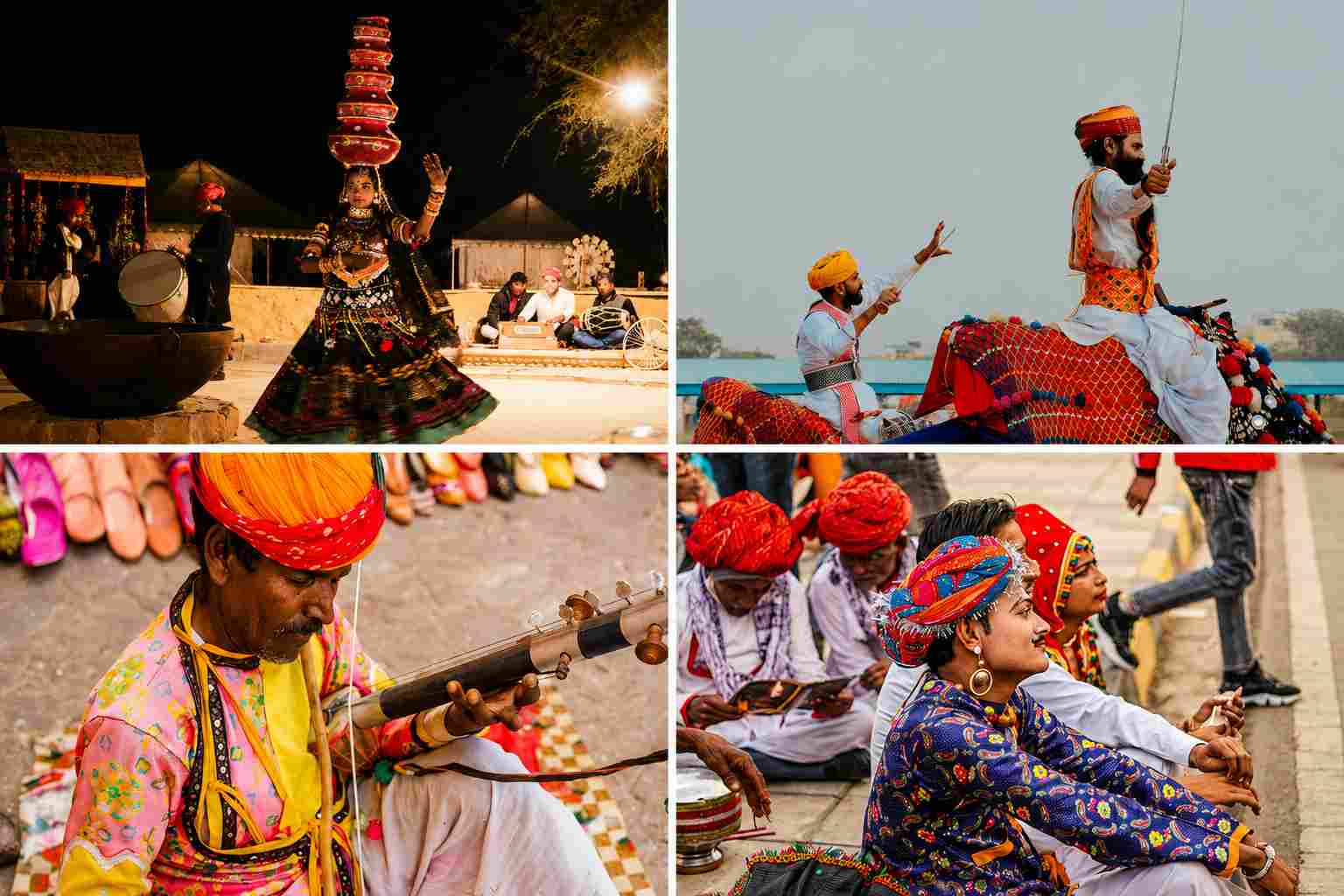
First, one needs to understand culture as a living and breathing entity in order to embrace deep travel. Cultural richness is something that can’t be packaged, mass-produced, or simply staged for an audience. A respectful engagement with culture is ensured only when one breaks down the travel to its most foundational and sensory components, i.e., gastronomy, artisanal heritage, and spiritual rhythms.
Among all components that contribute to authentic cultural experiences in India, food is the most immediate and prominent gateway. Western kitchens present Indian cuisines through simplified options in the form of curries and heavy cream sauces. This is a whole different world in India, as gastronomy is a reflection of religion, geography, and agrarian history. All these influences become crystal clear when sharing some local food with a group of people or simply exploring the street food scene. This is a country where precise mathematics works behind the scenes when regional cuisines are prepared, as some regions rely on mustard oil-based flavors while others use fresh coconut oils and much more.
Then there is the tactile archive of history that is reflected through artisanal heritage. Particular villages have been identified for a singular craft that people there have protected and passed on to the upcoming generations for centuries. Getting past popular itineraries allows one to sit down and watch a traditional potter shape local clay with a foot-spun wheel or see a block printer hand-carving a wooden stamp from teak wood, along with many other activities that give a look into living history. These interactions are so fulfilling because they present a counter-narrative against the contemporary disposable consumer culture.
Last but not least, the spiritual rhythm of India plays a significant role in everyday life and helps shape the fabric of its communities. Unlike in many other parts of the world, spirituality is not limited to private settings or reserved for weekends; it is deeply woven into public life. A simple walk through the streets at different times of the day reveals this clearly. You may see women creating traditional patterns at their doorsteps to welcome prosperity, hear evening hymns echoing through local neighborhoods, or notice shopkeepers pausing briefly during twilight hours. The beauty of these traditions is that anyone can appreciate and observe them, regardless of their personal beliefs.
💡 Related Read: Why Rajasthan Is A Must-Visit For Culture Lovers And Adventure Seekers
Curated Journeys: Living History And Desert Traditions
Careful planning works best in precisely translating the philosophy of authentic travel into a workable itinerary. Travelers can very easily immerse themselves in the astonishing diversity of India when the itinerary is focused on the specific regions whose identities have been preserved. Here is a quick look at some of the specialized routes that illustrate the way varied regional histories shape the unique modern cultures.
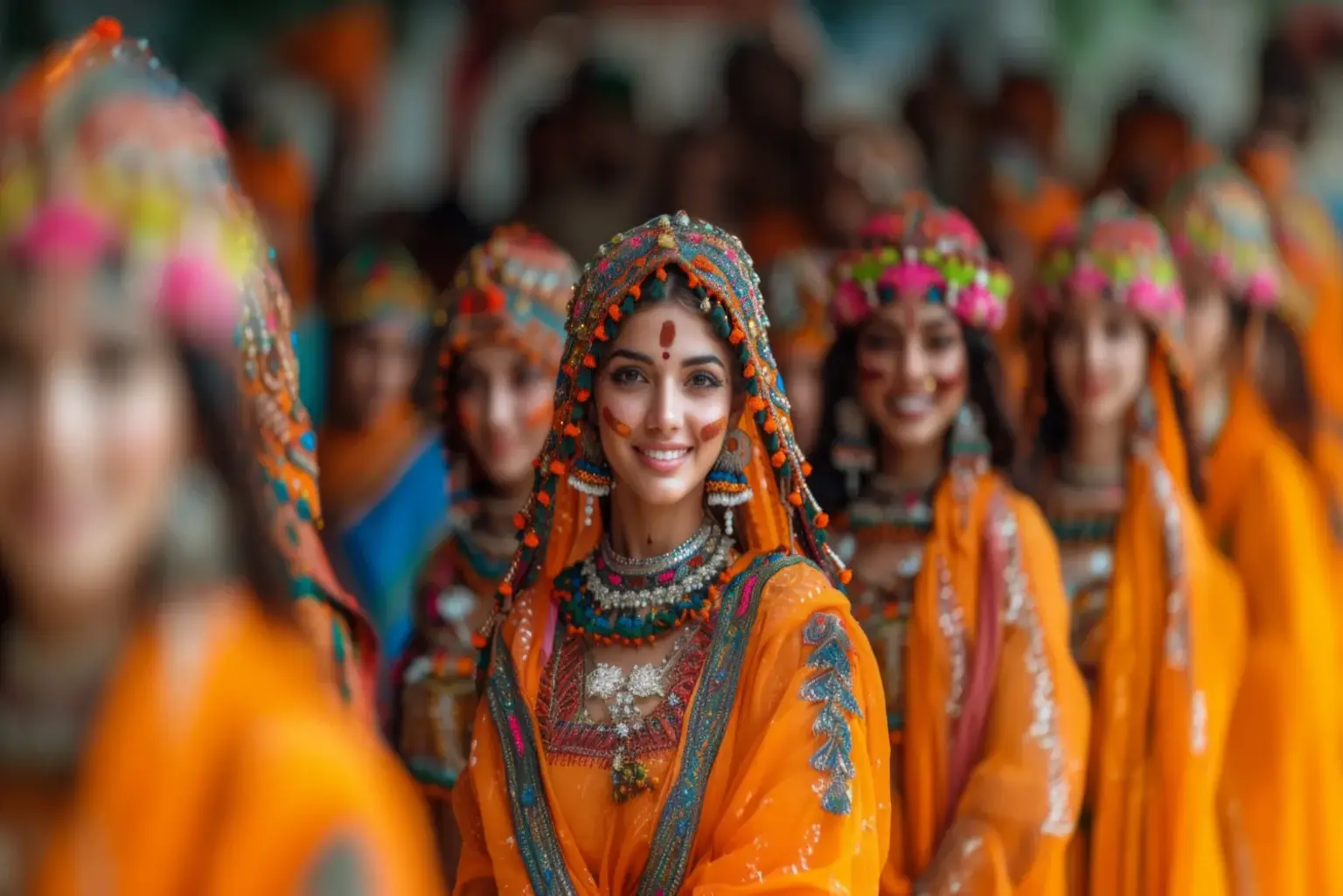
The Royal Pulse Of Heritage Artisans: Martial history and colossal fortresses define the true nature of Rajasthan, but some of the rarest treasures are present in the rural spaces. During the time of kings, the royal courts patronized particular clans of artisans to turn the entire region into a highly decentralized guild of creative discipline. Proper engagement with those who have mastered this heritage remains the focal point of a thoughtful Rajasthan cultural tour.
The specialty of these tours lies in the way they enable tourists to explore beyond primary urban centers and see the vibrant colors of the rural landscape come alive. Once people step into these areas, they can see the art of natural dyeing, long and beautiful indigo and madder-root cotton drying in the sun, which creates a nice contrast against the arid earth. In addition, travelers are provided with secure setups to step into the family-run workshops that deal with traditional block-printing.
Accommodation is utilized widely to deepen the connection with the area. Exploration and short stays in the restored ancestral havelis let one enjoy and support the preservation of architecture. Here, the evening entertainment is not some commercial stage show but an intimate gathering around a fire while listening to the soaring, melancholic desert ballads of folk musicians who sing songs cataloguing the entire history of the desert.
The Blue Citadel To The Golden Dunes: Some of the most visually and culturally different urban landscapes of the world can be enjoyed by venturing a bit deeper into the arid heart of the Thar Desert. A profound shift in geography, community structure, and lifestyle is visible in the transition from the stark blue architecture of one city to the honey-colored sandstones of the other. The modern dedicated Jodhpur Jaisalmer Tour focuses on these explorations and provides a close look into the way human civilization not only survives but thrives in some of the harshest environments on this planet.
The mighty walls of the Mehrangarh Fort cast a massive shadow across the abundant sky-blue houses below. A perfect exercise in sensory awareness results when expert guides help tourists navigate this dense labyrinth on foot. A quick walk through the Brahmin quarter not only exposes tourists to the scent of crushed coriander and roasting cumin that wafts but also encourages respectful interactions with the locals that can never be experienced from a vehicle.
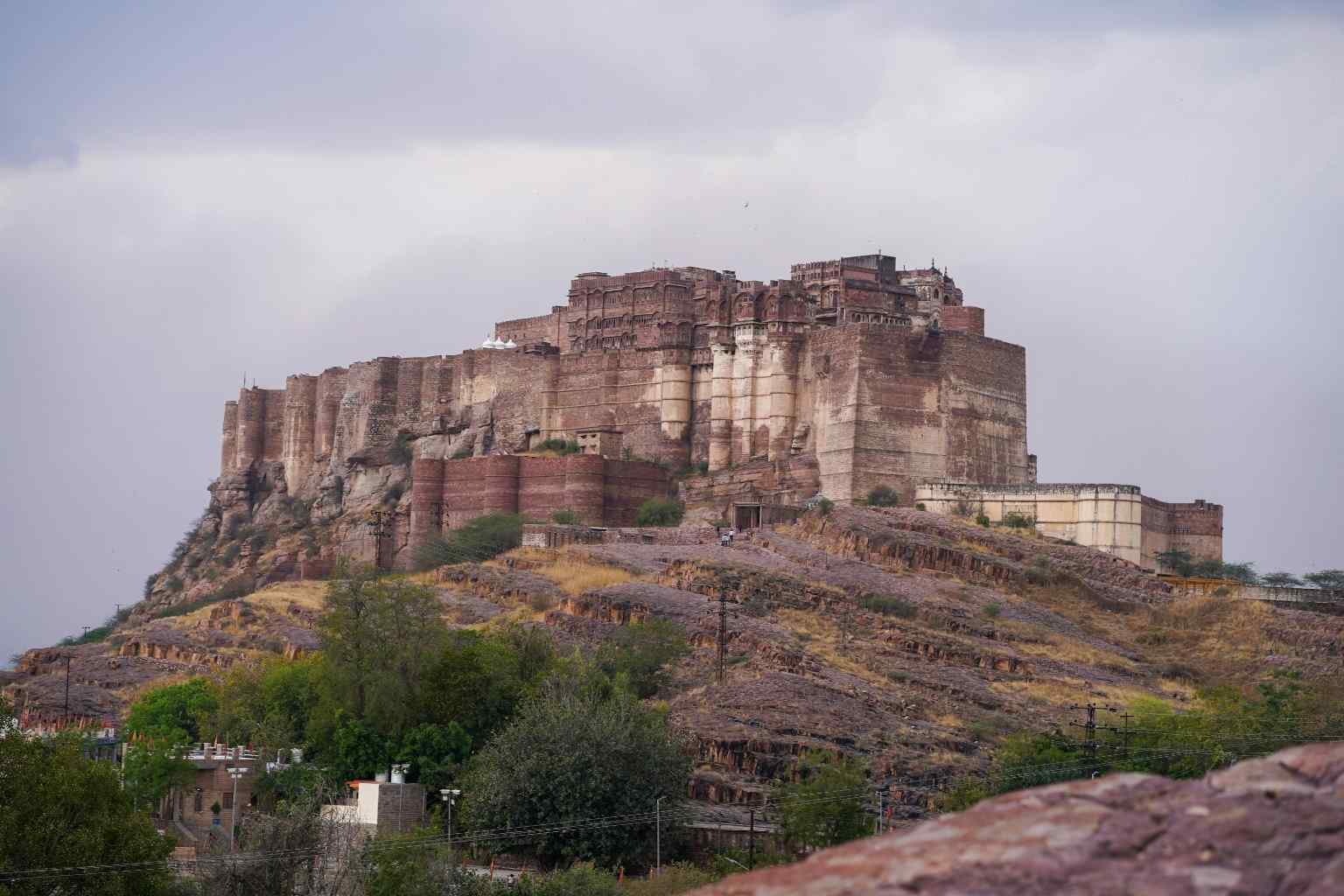
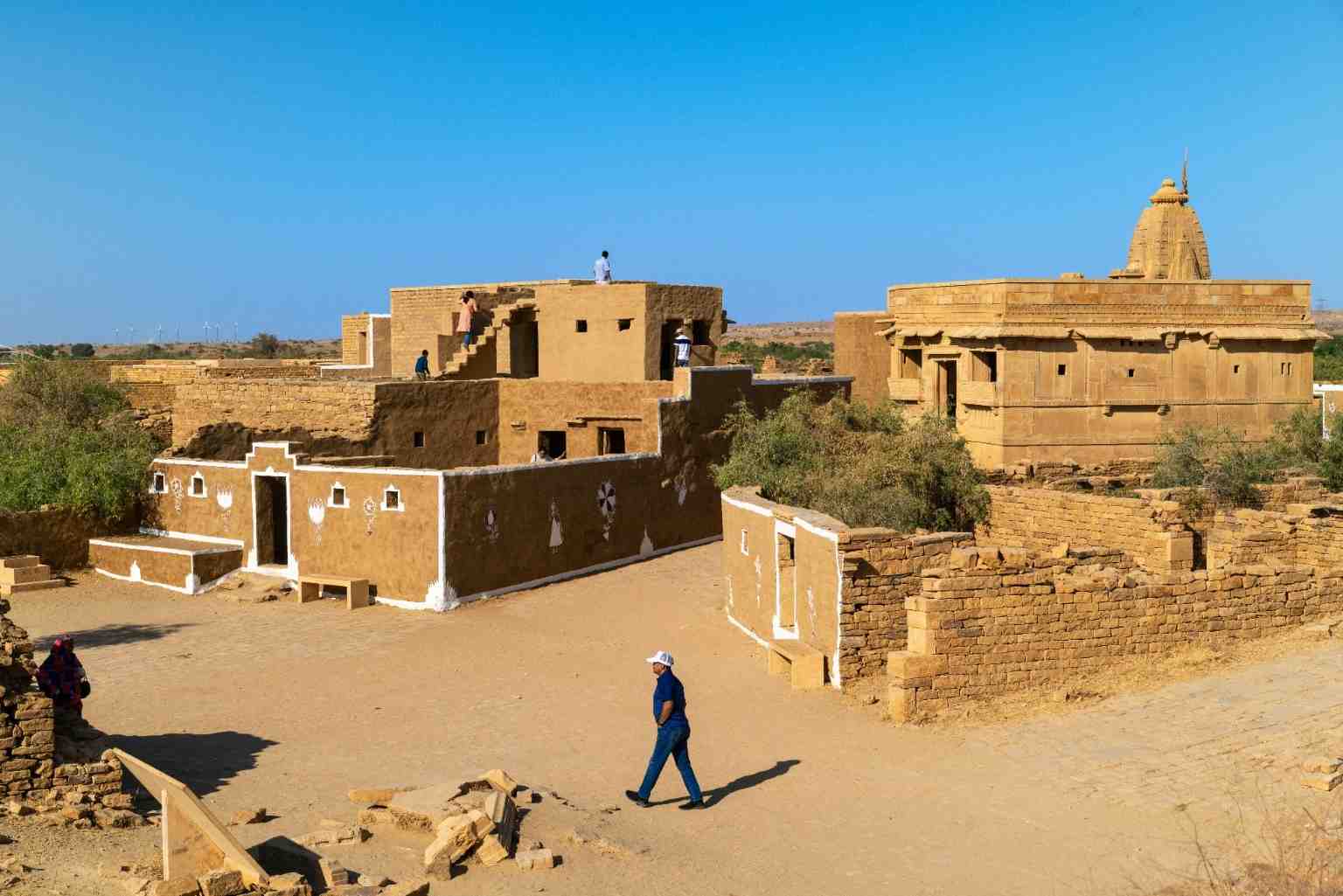
The prevailing blue gives way to the golden sandstone as one travels westwards. Standing strongly as a monumental sandcastle on the desert floor, Jaisalmer is fully alive in contrast to the other historic forts that operate as a preserved museum. Almost one-fourth of the city’s population still resides inside the walls where they run small bakeries, inhabit homes that they have inherited from previous generations, and maintain ancient temples.
Outside these walls lie the vast sand dunes of the Thar, in which the culture shifts from a settled urbanity to nomadic pastoralists. Many lessons in minimalism can be learned by just spending one night in a simple tent under the desert sky. Even in this scarcity, the heart-warming hospitality of Rajasthan is present in simple meals like millet flatbreads, a gesture born from the shared necessity of desert survival.
The Classic Route Reimagined With Sacred Art: When it comes to exploring the foundational intro to the past of India, the journey that connects the political capital of Delhi, the Mughal grandeur of Agra, and the unmatched architecture of Jaipur has been the most prominent choice. But there is an effective way to elevate this classic route so that tourists can enjoy a profound version that extends a bit southeastward into the landscapes of Madhya Pradesh. The Golden Triangle tour with Khajuraho integrates some of the best destinations so that enthusiasts can beautifully contrast the scale of the Mughal Empire buildings with the rich and intimate spiritual devotion of the medieval Hindu art.
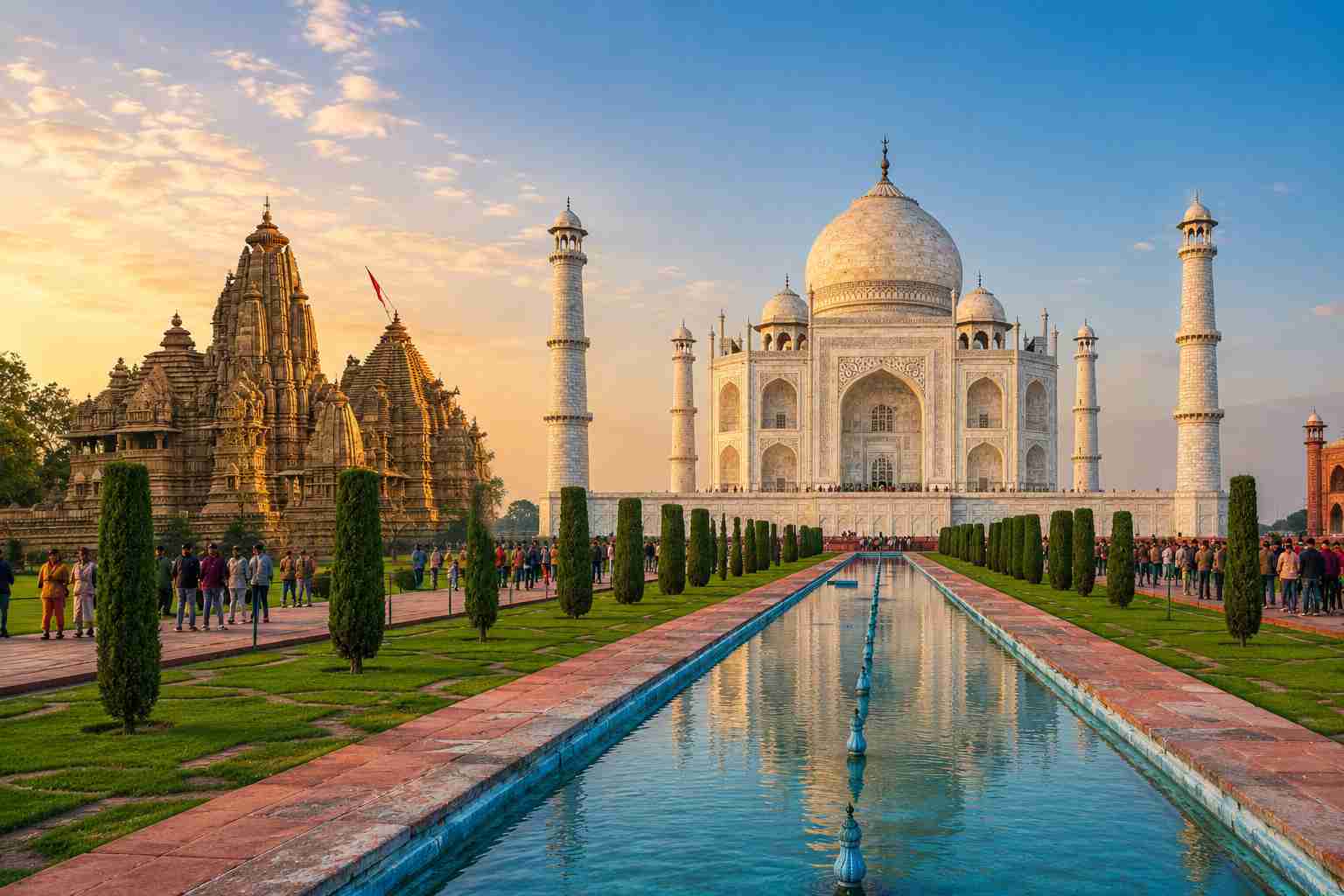
The journey starts with the striking contrasts of Delhi, featuring aspects like the tree-lined, wide avenues of the early 20th-century capital, the medieval layout of Shahjahanabad, and much more. Agra, on the other hand, shifts towards symmetry and the height of grand design. After that, tourists get a taste of the royal Rajasthan, where meticulous urban planning and a deep respect for art are present throughout the streets. From there, the standard path is modified a bit, and it takes you to the villages of Khajuraho, which reflect a whole different artistic philosophy.
Built between the 10th and 11th centuries, this complex temple remains a testament to architectural engineering and sculptural expression. Whether it be the soaring spires that mimic the sacred Himalayan peaks or the thousands of beautifully detailed relief carvings, every part of it is enough to keep people hooked to the grandeur. Though popular culture majorly highlights this as one feature, the walls here present a vivid tapestry of medieval life, which includes the following:
- Musicians working on their instruments
- Warriors preparing for battle
- Farmers harvesting crops
- Women applying makeup and much more.
Experienced guides turn the stones into a narrative to detail an era of rich social, philosophical, and artistic openness.
Ethical Travel And Preserving Living Traditions
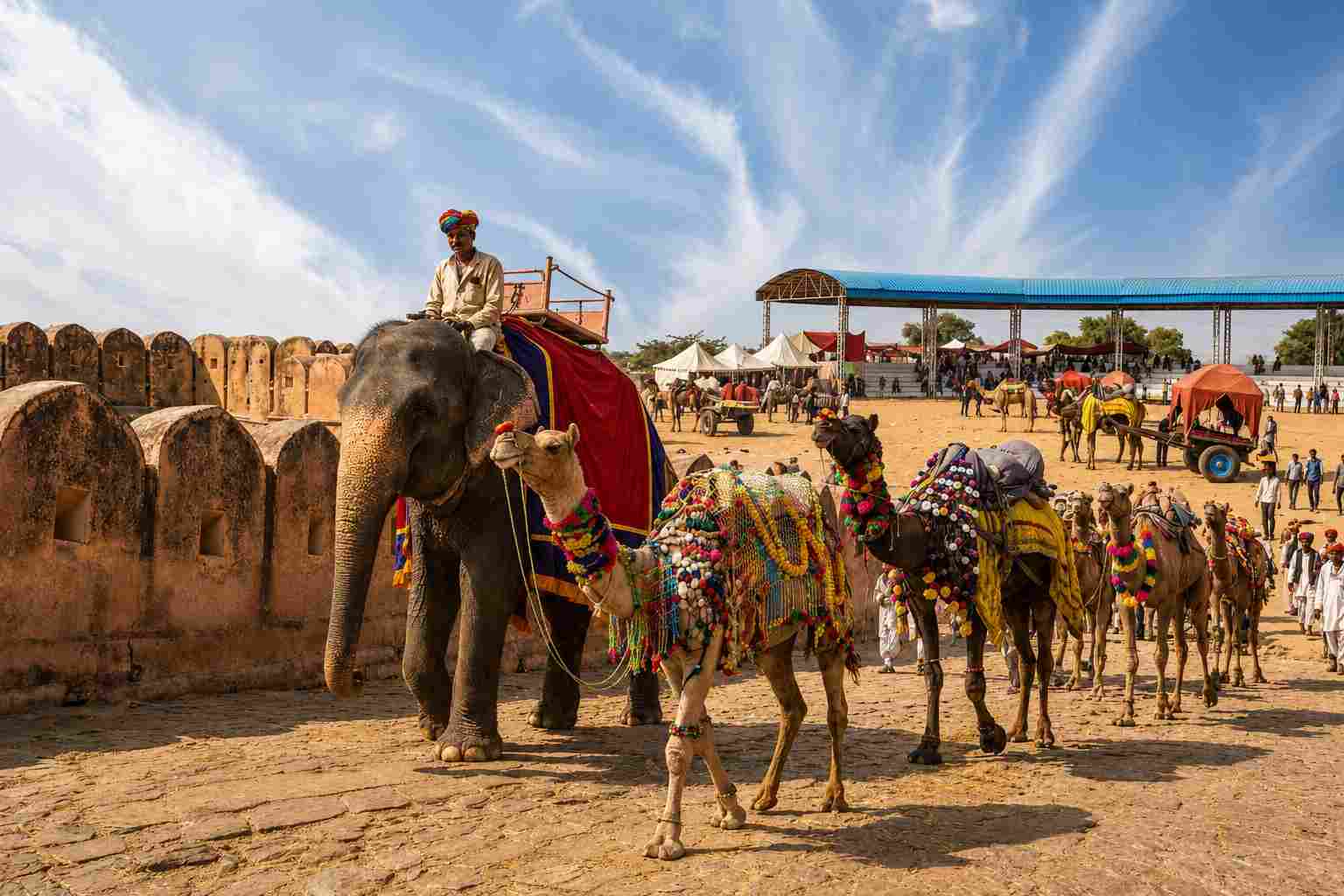
What separates the best tourist package from the rest is an approach that considers the local sentiments. In order to ensure that the cultural immersion in India does not come at the expense of the very fabric that makes culture so vibrant, modern tours are based on a strict ethos of ethical travel. The best cultural experiences in India result from exchanges that are equitable and two-way streets. Spending time with local artisans or in the kitchens to learn recipes not only looks at the heritage but also economically supports the family-owned workshops or verified cooperatives.
Furthermore, the travelers need to extend this mindfulness to their daily social interactions as well. The most important thing here is respecting the local boundaries related to photography, especially during sensitive religious rituals or while within private residential areas. Since most of the tourists are not familiar with these, the guides help them every step of the way. Immersive tours let the guests deep dive into what makes India so unique while playing a role in fostering mutual respect to keep the spirit of hospitality alive. Be a part of a journey where the hosts are treated as equal partners in a shared cross-cultural dialogue rather than as some background subject for a vacation narrative.
Conclusion
India is a vast land, and it has a long as well as diverse history. As a result, its real essence is broad enough that it can’t be captured in a collection of photographs or bought in crowded markets. Activities like gazing at the exteriors of a monument or reading some historical text can’t help in fully understanding what makes this destination one of a kind. This land is an experiential reality that should be gathered slowly, bit by bit, with the help of an itinerary that does not rush but includes deliberate pauses and establishes genuine human connections.
A tour focused on cultural immersion lets one step away from the rigid structure that prevails in the generic itineraries and engage deeply with the local environment to transform the journey from just another holiday to a vibrant chapter of personal growth. The real heart of the phenomenal region is unlocked only when meaningful depth is prioritized over superficial breadth to result in a journey that is purely defined by authentic cultural experiences.
If you are ready to turn your travel dreams into lifelong memories, consider India Wonderland. Here, we craft personalized itineraries that extend beyond the listed destinations, delving into the socio-cultural fabric of India to deliver true immersion.